It is said that early power looms produces three times faster than the hand made loom. That changed in 1784 when the english inventor edmund cartwright designed the first mechanical loom.
Follow The Yarn

Edmund cartwright s invention of the power loom is no exception.

Invention of the power loom. A loom is a device designed to weave threads into cloth. The original design was flawed and needed improvements. Power loom wikipedia a power loom is a mechanized loom and was one of the key developments in the industrialization of weaving during the early industrial revolution.
Weaving was the last step in textile production in order to become mechanized. He played a pivotal role in the evolution of textile production. But until the 18th century they were manually operated which made the production of cloth a slow process.
The history of the invention is not too short. It was refined over the next 47 years until a design by kenworthy and bullough made the operation completely automatic. A power loom is a mechanized loom and was one of the key developments in the industrialization of weaving during the early industrial revolution the first power loom was designed in 1787 by edmund cartwright and first built in 1787.
Therefore the invention of power loom changes the fashion of the eighteenth century because it made clothing materials much cheaper arising from the fact that they are produced in a faster rate and in large quantities. The power loom is a mechanical weave and during the early industrial revolution one of the major advances in weaving was industrialization. The power loom was one of many labor saving inventions of the first industrial.
The power loom was a steam powered mechanically operated version of a regular loom an invention that combined threads to make cloth. A loom is a device that is used to weave together threads in order to produce a fabric. Edmund cartwright was an english inventor and is remembered today for inventing the power loom along with other devices important to the textile industry in england.
How did the power loom help the industrial revolution. The first power loom was designed in 1784 by edmund cartwright and first built in 1785. How did it work.
The first power loom was developed by edmund cartwright in 1784 and completed in 1785. The power loom was a steam powered loom that mechanized the process reducing the need for humans to oversee the weaving process. Origins of the power loom looms which are used to weave fabric have been around for thousands of years.
For makoto hagiwara or had logos for the tea garden mount fuji with japan tea. Fortune cookies before the early 20th century were all made by hand.
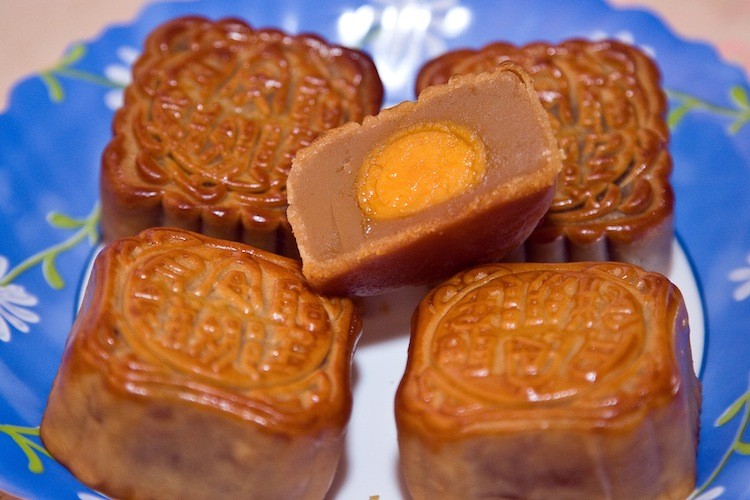
Fortune Cookie History The Mysterious Origin Of The Fortune Cookie Modern Innovations Of Fortune Cookies
However the fortune cookie industry changed dramatically after the fortune cookie machine was invented by shuck yee from oakland california.
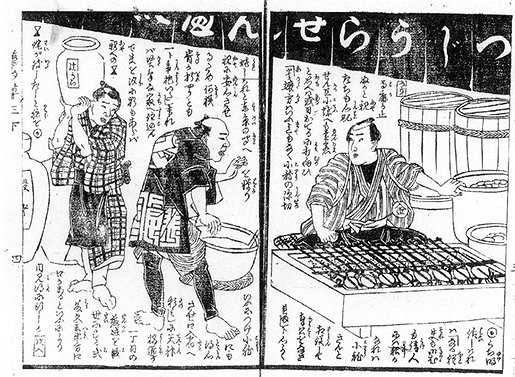
Invention of fortune cookies. Although some of the katas were plain others had engraved initials m h. Ono showed noriko a selection of antique sembei iron kata hand skillet mold which were used in the japanese tea garden to make the fortune cookies one at a time. The machine allowed for mass production of fortune cookies which subsequently allowed the cookies to drop in price to become the novelty and courtesy dessert many americans are.
A japanese immigrant who had served as official caretaker of the japanese tea gardens in san francisco since 1895 hagiwara began serving the cookies at the tea garden sometime between 1907 and 1914. The history of the fortune cookie it s likely that we ll never truly know who invented the fortune cookie but all signs point to a japanese immigrant named seiichi kito. The story goes like this.
In 1903 kito opened the now historic confectionary shop in los angeles little tokyo called fugetsu do. Most sources credit either makoto hagiwara or david jung with the invention of the fortune cookie. Of the two hagiwara seems to have the stronger claim.