23 1902 by caleb d. Patrons and friends sample them at his drugstore soda fountain.
Pepsi Pepsi S Origin

By 2009 it has sold around 108 billion dollars worldwide.
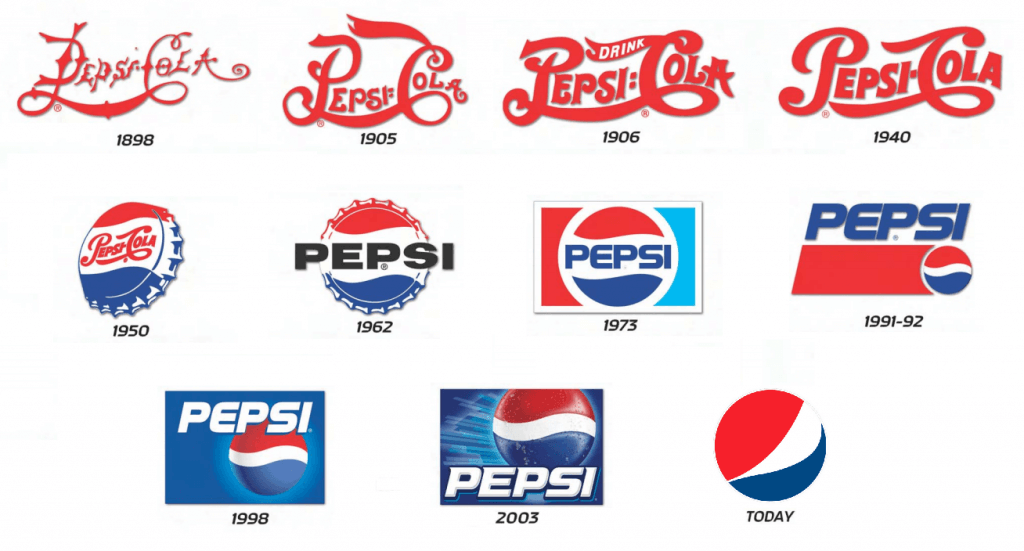
Origin of pepsi cola. The original offices were in the back of his pharmacy. Today pepsi is one of the world s most widely recognized and widely celebrated brands. Over 100 years running and going strong.
1893 caleb bradham a young pharmacist from new bern north carolina begins experimenting with many different soft drink concoctions. Bradham 1867 1934 pharmacist and drugstore owner of new bern n c probably from pepsin. In the small town of new bern north carolina local pharmacist caleb bradham invented the original formula of what would become pepsi cola.
Hoping to duplicate the recent success of coca cola bradham named his sweet cola flavoured carbonated beverage pepsi cola in 1898. The drink proved so popular that in 1902 bradham incorporated the pepsi cola company. In 1902 bradham created the pepsi cola company.
He created the syrup for the drink and sold it to other pharmacies to sell in their own soda fountains. The original formula for what would become pepsi cola was invented in 1893 by pharmacist caleb bradham of new bern n c. Originally created and developed in 1893 by caleb bradham and introduced as brad s drink it was renamed as pepsi cola in 1898 and then shortened to pepsi in 1961.
Like many pharmacists at the time he operated a soda fountain in his drugstore where he served drinks that he created himself. The first pepsi cola was created by caleb d. The history of pepsi cola.
Bradham 1866 1934 a pharmacist in new bern north carolina. First called brad s drink this popular beverage was crafted with a mix of sugar water caramel lemon oil kola nuts nutmeg and other additives. Refresh your pepsi cola history.
In these earliest years all production was handled by bradham himself. At first he called it brad s drink and this was the first name of pepsi cola. First introduced as brad s drink in 1893 by caleb bradham later named it as pepsi cola due to its two key elements pepsin and kola nuts.
It was so delicious that he soon started selling it in his neighborhood. Early pepsi ads tout it as a digestive aid. In 1893 caleb bradham created a drink in his home spicing it with kola nuts and the enzyme pepsin.
These are dui completion and children and qian helpful people and travel. Again the main use of using a wind chime in those times was to keep away evil spirits.
The History Of Wind Chimes And Their Uses Gardenhomey
Other wind chimes materials include glass bamboo shell stone earthenware stoneware beads keys and porcelain.

Origin of wind chimes. Another use of wind chimes is in the practice of feng shui. Placing a wind chime in either of these areas is auspicious because it activates the metal element associated with these areas. From there it spread to other countries.
Archeological finds date back almost 5000 years. Primitive constructions of bone wood or bamboo stone or shells the earliest wind chimes were thought to be used to ward off evil spirits. Were windchimes used by our ancestors only for producing music and relaxing their minds.
A particular use that wind chimes have is to scare birds away from farming lands kind of like a scarecrow only wind chimes scare of birds through their sounds. Who made the first wind chime. Wind chimes are especially great additions to the areas of the feng shui bagua map associated with the metal element.
In 1100 bc the chinese were the first to appreciate the musical and artistic properties of wind. In south east asia remains of wind chimes made from bone wood bamboo and shells were found about 3000 bc. More exotic items such as silverware or cookie cutters can also be recycled to create wind chimes.
The times of india says that wind chimes have been around since 1100bc when ancient a chinese emperor and civilizations cast the first wind bells called fenglings. The first evidence of wind chimes found at archeological sites in south east asia dates them to about 3000 b c. A more practical use in indonesia was to scare birds from crops.
History of wind chimes. The modern day wind chimes were invented in china around the year 1100 bc. History shows that the windchimes were also used for other important reasons some of them which may have even been lifesaving.
Considered religious objects which could attract kind spirits it s no wonder they ve maintained their enchanted status throughout time. Wind chimes have a long and varied history with developments spanning cultures continents and uses. In china around the year 1100 bc is when the modern wind chime came to live.
Chimes were thought to ward off evil spirits. Wind chimes can be made of materials other than metal or wood and in shapes other than tubes or rods. From there it spread to other eastern and southern asian countries like japan and india.
The selected material can have a large effect on the sound a wind chime produces. The journey of the history of wind chimes goes from ancient rome to china. China and japan were the first to introduce wind chimes as decorative art into the home.
The wind chime can trace its lineage back almost 5000 years.
John bacon curtis was the first one to come up with the idea of making and selling spruce gum as chewing gum. Chicle was originally imported from mexico as a rubber substitute and was tapped from a tropical evergreen.

Chewing Gum Wikipedia
This offer was a huge success.
/https://public-media.si-cdn.com/filer/63/e9/63e9dc27-e34e-4b7f-b266-f72e86210fdb/5518281130_edc8e6d3b5_o.jpg)
Origin of chewing gum. One day in 1892 mr. Colgan mixed with powdered sugar the aromatic flavoring tolu a powder obtained from an extract of the balsam tree myroxylon creating small sticks of flavored chewing gum he named taffy tolu. His first two brands were lotta and vassar.
And in the year 1869 they marked a creation of world s first modern. Existing companies offered similar products that were much more popular than gums from wrigley s. The first flavored chewing gum was created in the 1860s by john colgan a louisville kentucky pharmacist.
Modern chewing gum was born by accident when mexican general antonio lopez de santa anna was looking for an alternative to rubber for manufacturing and contacted the american inventor thomas adams to find out if he could use chicle as a substitute. Modern chewing gum dates from the 1860s when a substance called chicle was developed. In the late 1840s john curtis developed the first commercial spruce tree gum by boiling resin then cutting it into strips that were coated in cornstarch to prevent them from sticking together.
1891 william wrigley jr founded wrigley chewing gum. Antonio lopez de santa anna and thomas adams came up with the idea of flavored gum. As mathews explains chewing gum has been around on this continent for hundreds of years in the form of chicle a resin extracted from the sapodilla tree in southern mexico and central america.
Wrigley got the idea of offering two packages of chewing gum with each can of baking powder. The first marketing of the gum took place in the united states in the 1800s.