Porcelain tubs are typically heavier than acrylic bathtubs yet lighter than enameled cast iron. The porcelain finish makes the tub easy to clean and is less subject to scratching than acrylic tubs.
/GettyImages-866104130-5bfb518cc9e77c0026925d9f.jpg)
Five Common Materials Used In Bathtubs
Over time porcelain began to dominate the industry chiefly because it was cheaper and somewhat lighter than steel.
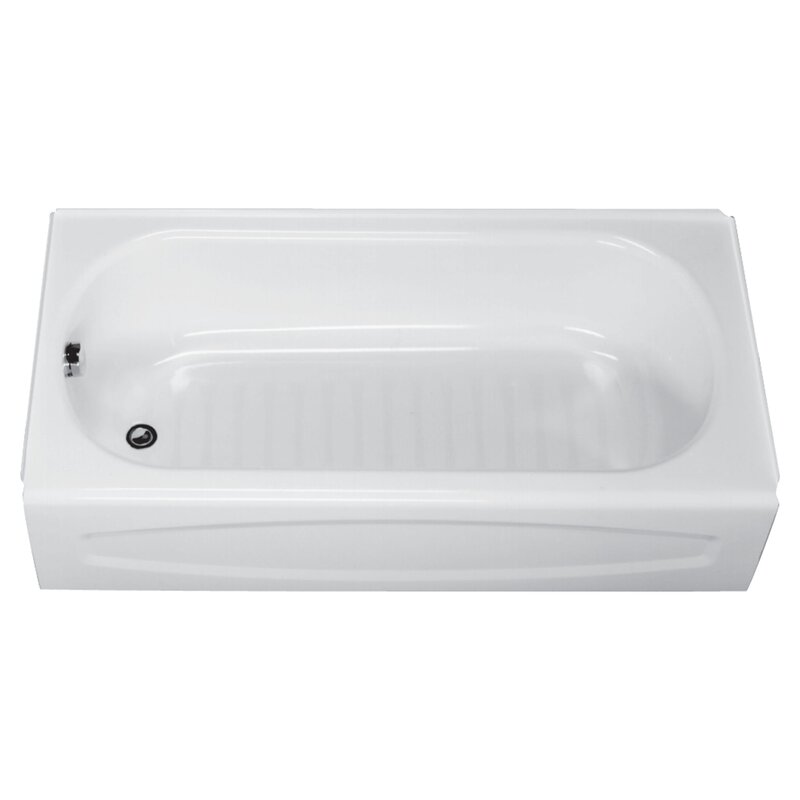
Porcelain enameled steel bathtub. This type of tub is somewhat heavier than acrylic or fiberglass but is much lighter weight than old fashioned enameled cast iron. The tub is stamped from a thin sheet of steel then finished with a layer of porcelain enamel. This bootz tub is constructed of porcelain enameled steel for an economical but strong structure.
It is constructed of steel sheeting that is coated with porcelain enamel. Perfectly balancing strength durability and a lighter weight full length tile flange installs in a three wall alcove configuration ada compliant complies with the standards set forth by the american s with disabilities act meets or exceeds asme ansi a112 19 4m non skid. Old time clawfoot bathtubs were made from steel or galvanized steel as were the old fashioned wash tubs.
To clean a porcelain enamel tub start by scrubbing any stains with hydrogen peroxide or equal parts ammonia and baking soda. So if the magnet doesn t stick you have a porcelain tub. Princeton 30 in w x 60 in l white porcelain enameled steel oval in rectangle right hand drain alcove bathtub.
Porcelain enameled steel is a very common and often inexpensive option. Then let the mixture sit on the stains for 5. Constructed with steel and porcelain enamel.
As alcove bathtubs became more popular the industry naturally kept on using it. Doing so can lead to chips in the finish which may allow rust to form. However you ll want to be careful not to drop heavy objects on the enamel.
The surface of these tubs is easy to clean and. A porcelain bathtub starts with a base material often steel. How do you get stains out of a porcelain tub.
Steel tubs also called porcelain on steel or enameled steel are made with a thin stamped steel shell and coated with heat fused porcelain enamel. Commonly the base is coated in porcelain enamel and then high temperature fired. Since enamel tubs cover cast iron or steel they ll be magnetic.
Also sometimes called enameled steel this is another inexpensive and very common bathtub material. Find porcelain enameled steel bathtubs at lowe s today.
The european name porcelain in english comes from the old italian porcellana cowrie shell because of its resemblance to the surface of the shell. This true or hard paste porcelain was made from petuntse or china stone a feldspathic rock ground to powder and mixed with kaolin white china clay.

Porcelain Wikipedia
Porcelain is a material made from well chosen porcelain clay or pottery stone through technological processes like proportioning molding drying and firing.
/porcelain-sized-579a705c3df78c3276508daa.jpg)
Where does porcelain come from. Porcelain n ceramic ware having a translucent body and when it is glazed a translucent glaze 1530s from french porcelaine and directly from italian porcellana porcelain 13c literally cowrie shell the chinaware being so called from resemblance of its lustrous transparency to the shiny surface of the shells. However high quality porcelain comparable to modern wares did not develop until the yuan dynasty 1279 1368 a d. They can either be glazed or unglazed.
Porcelain was first made in china in a primitive form during the tang dynasty 618 907 and in the form best known in the west during the yuan dynasty 1279 1368. The clay used to build porcelain tiles is generally denser. Porcelain tiles or ceramic tiles are porcelain or ceramic tiles commonly used to cover floors and walls with a water absorption rate of less than 0 5 percent.
Porcelain is also referred to as china or fine china in some english speaking countries as it was first seen in imports from china. Browsing your options soon reveals that italy is the holy grail for outstanding porcelain products. Porcelain tiles are not going to shatter.
This true or hard paste porcelain was made from petuntse or china stone a feldspathic rock ground to powder and mixed with kaolin white china clay. Now to go to the original source of porcelain production involves travelling back a few centuries to the tang dynasty in south east china. As an adjective from 1590s.
Hard paste or true porcelain originated in china during the t ang dynasty 618 907 a d. Europeans for a long time strived to discover the secret of this mysterious white clay called porcelain in my previous blog i introduced how porcelain was first produced in japan by the koreans. Although porcelain developed from pottery the two are different in raw material glaze and firing temperature.
Porcelain tiles are manmade and may be called vitrified paving but please don t think that makes them less enchanting than natural products. Porcelain tiles are one type of vitrified tiles and are sometimes referred to as porcelain vitrified tiles. Compared with pottery porcelain has tougher texture more transparent body and finer luster.
Porcelain ˈpɔːrsəlɪn is a ceramic material made by heating materials generally including kaolin in a kiln to temperatures between 1 200 and 1 400 c 2 200 and 2 600 f. Paving performs at an impressive level. Porcelain was first made in china in a primitive form during the tang dynasty 618 907 and in the form best known in the west during the yuan dynasty 1279 1368.