Rinse sponges thoroughly after each use and allow them to dry completely open to the air. We highlight the best uses for a variety of cleaning sponges to make your daily cleaning tasks easier than ever before.
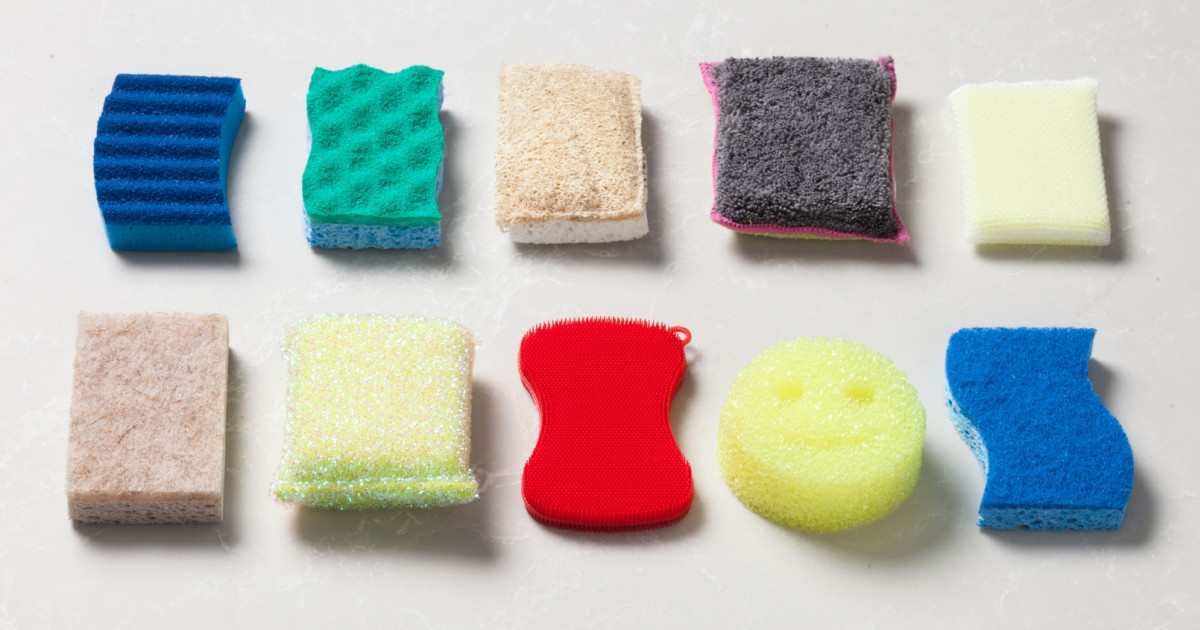
Searching For The Best Kitchen Sponge Cook S Illustrated
Vegetal cellulose sponges made of wood fiber are more used for bathing and skin cleaning and are usually tougher and more expensive than polyester sponges.
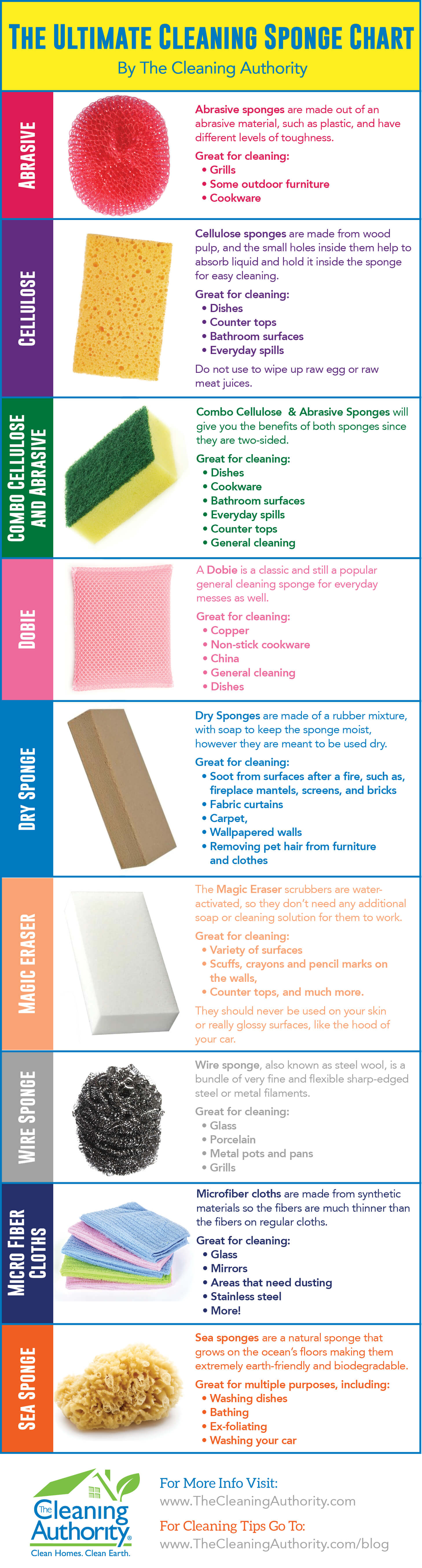
Types of cleaning sponges. Abrasive sponges are made out of abrasive material such as plastic and have different levels of toughness. From metallic sponges to steel wool sponges to abrasive sponges dobies and more each sponge type serves a specific purpose. Polyester sponges are more common for dish washing and are usually soft and yellow.
Cellulose sponges are made from wood pulp and the small holes inside them help to absorb liquid and hold it inside the sponge for easy cleaning. These are the most common types of cleaning sponge. Dry sponges are frequently used to clean soot from surfaces after a fire.
They are very cheap yet they provide the best absorbency and last long even through tough tasks. Some people prefer to microwave their sponge for up to 30 seconds make sure the sponge is wet. Here is the low down including pros and cons of the different types of sponges.
If you use or reuse sponges we recommend that they are washed in hot water and dried on the hottest setting after each use. Dry sponges are made of a rubber mixture with soap added to keep the sponge moist in the packaging. They are perfectly hand sized and are ideal for different types of cleaning purposes.
Scotch brite dobie all purpose pads 3 count pack of 2 total 6 pads. They also trap particles and residues. Cellulose sponges are the most common ones displayed in any supermarket.
Abrasive sponges are made from an abrasive material such as plastic and are very effective for cleaning grills some outdoor furniture and cookware. Cleaning cellulose sponges. Cleaning sponges 1 cellulose sponges.
They can be used to clean the kitchen platform or countertop mess dining table walls utensils and to scrub the floor to some extent. They are very common brightly colored and hand sized shapes. The second sponge on the list is abrasive sponges.
You can also run sponges through a cycle in the dishwasher on the top rack. Knowing the type of sponge that works best for your particular cleaning project will save you time and energy. 17 99 24 99 47.
They re inexpensive and absorbent. Magic cleaning sponge eraser sheets 50 pack premium melamine sponge kitchen scrub sponge pads dish sponges wall cleaner household cleaning sponges for kitchen bathroom furniture floor 4 5 out of 5 stars 188. They can also be used to clean wallpapered walls and fabric window coverings.
If you use or. Check out these different types of cleaning sponges and their uses. To start with are cellulose sponges.
These sponges are meant to be used dry which makes them a great option for cleaning surfaces that cannot tolerate moisture and water. Otherwise it can catch on fire and burn in the microwave. Different types of sponges are needed for different types of jobs.
Habitat of the sea sponge sponges inhabit a wide variety of different ecosystems. From the coldest arctic seas to the warmest tropical oceans sea sponges inhabit a wide variety of different ecosystems.
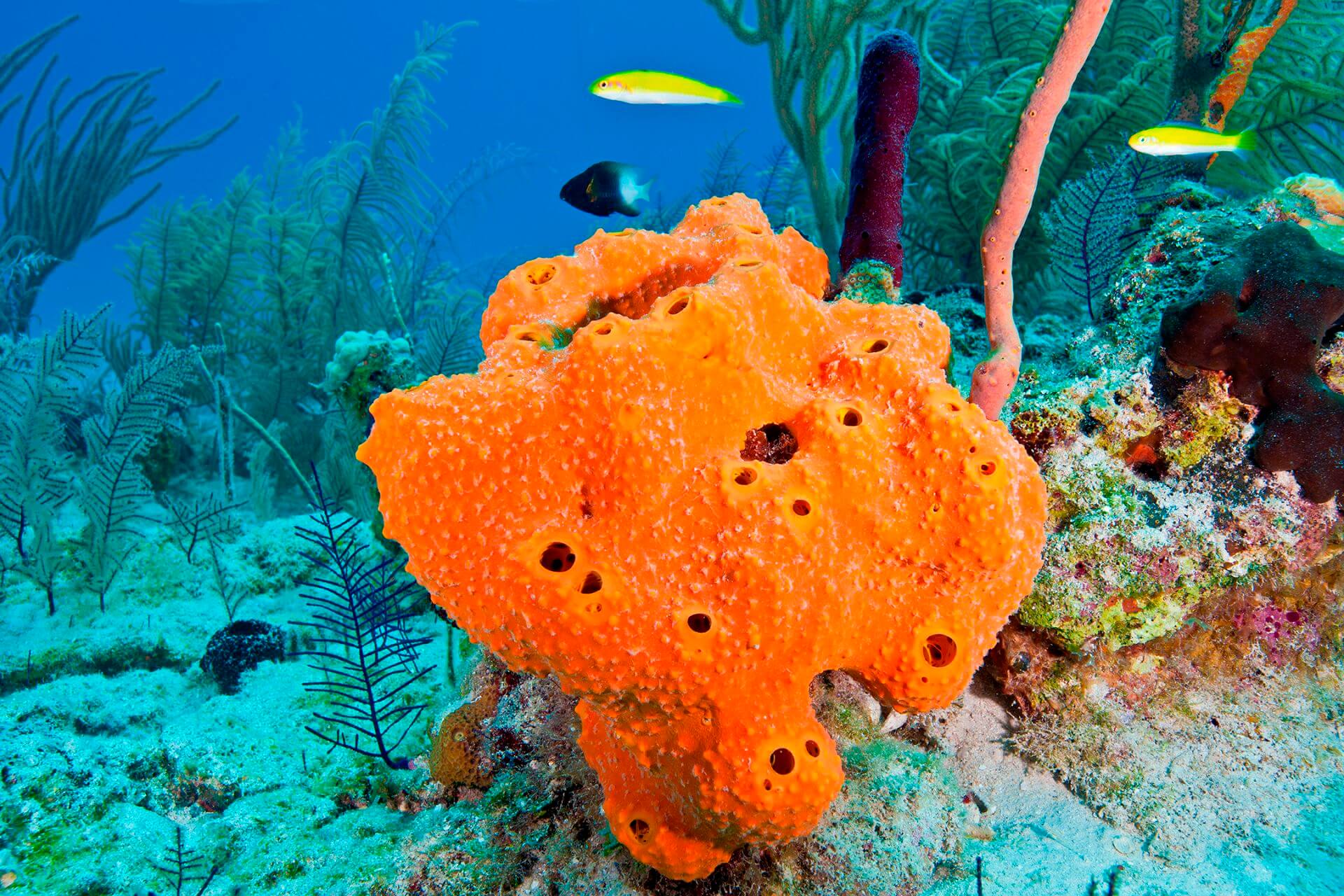
Amazing Facts And Secrets Of Sea Sponges Spongean
In addition to bath sponges other relevant genera belonging to this class can be mentioned such as.
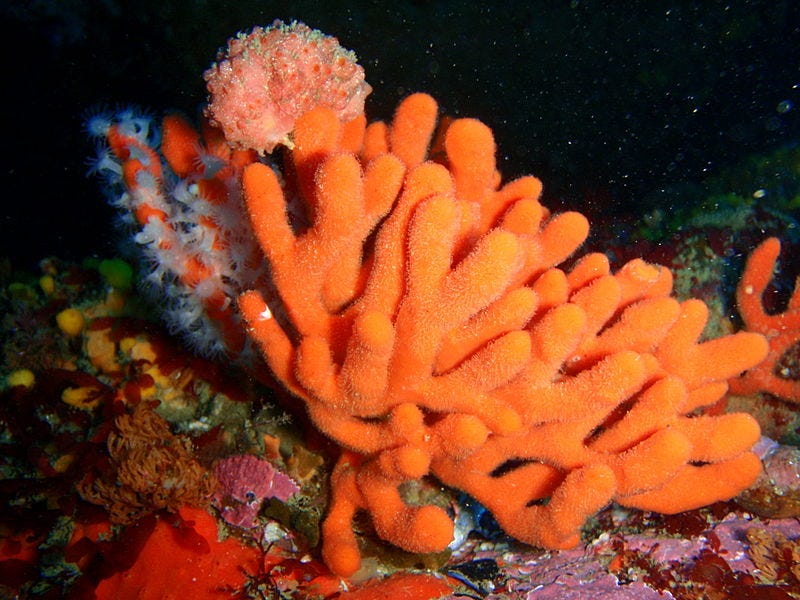
Where do sea sponges live. Natural sea sponges in baskets. Sea sponges are water creatures that usually live in clear and calm waters. Thenea cliona myenia poterion and callyspongia.
Sea sponges are not only live in the ocean some species of sea sponges are found in freshwater lakes and also the rivers. They can also live well on hard surfaces such as on rocks or soft surfaces like sand. The vast majority of sea sponges are marine creatures.
The vast majority live in saltwater habitats though a handful inhabit brackish water and freshwater. Most carnivorous sponges live in deep waters up to 8 840 m 5 49 mi and the development of deep ocean exploration techniques is expected to lead to the discovery of several more. Sponges are found on the ocean floor or attached to substrates such as rocks coral shells and marine organisms.
They are of the leuconoid type. They can be found in all of the oceans. A handful only can be found in brackish water or freshwater.
Sponges can live in both warm and cold water as well as both deep and. Most live in marine environments although a family that lives in freshwater environments such as spongilia lacustris and ephidatia fluviatilis has been reported. Most natural sea sponges live by permanently attaching themselves to solid objects on the ocean floor and filtering the particulates from the waters around them.
They are found in oceans and freshwater lakes throughout the world. Sponges range in habitat from shallow intertidal areas and coral reefs to the deep sea. Sea sponges are called sea sponges because they live in the world s seas and oceans.
The habitat of sea sponges. However one species has been found in mediterranean caves at depths of 17 23 m 56 75 ft alongside the more usual filter feeding sponges. Of the twelve types of sea sponges harvested for commercial use the wool or lamb s wool yellow and grass sponges offer the best value.
You can find these creatures in just about any aquatic habitat.